
bronze frosted glass
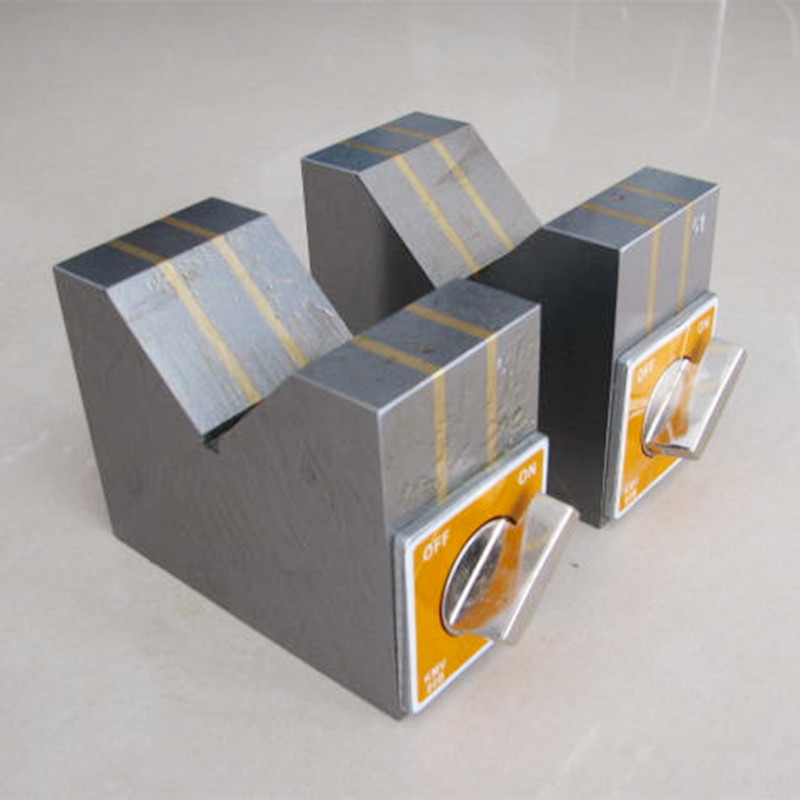
Using V Blocks An Essential Tool for Precision and Accuracy in Machining In the world of machining and manufacturing, precision is paramount. To achieve the exact specifications required for components, machinists rely on a variety of tools and techniques. One of these indispensable tools is the V block. This simple yet highly effective device serves as a fixture for holding workpieces, ensuring that they are positioned securely and accurately during various machining processes. This article explores the uses, advantages, and best practices associated with V blocks in machining environments. What are V Blocks? V blocks are precision-milled blocks, typically made of metal, that feature a V-shaped groove on one or more sides. This design allows them to hold cylindrical workpieces, such as shafts or rods, firmly in place. V blocks come in various sizes, and they can be purchased individually or as part of a larger set. They are often used in conjunction with clamps and other equipment to create a stable workstation. Applications of V Blocks V blocks are used in a wide range of applications across different sectors of machining and manufacturing. Here are some common uses 1. Holding Cylindrical Workpieces The primary function of a V block is to securely hold cylindrical objects. By resting a workpiece in the V-shaped groove, it prevents movement during processing, allowing for accurate machining. 2. Drilling and Tapping In machining operations where drilling or tapping is required, V blocks provide stability for the workpiece, ensuring that the drill bit or tap remains aligned with the desired entry point. 3. Measuring and Inspection V blocks are also valuable in measurement and inspection processes. For example, when using a caliper or gauge to check the dimensions of a cylindrical part, a V block provides a steady surface that enhances accuracy. 4. Indexing Workpieces For operations that require flipping or rotating a workpiece, V blocks can be used to index positions, allowing for repeatable set-ups without the need for re-alignment. Advantages of Using V Blocks The benefits of utilizing V blocks in machining operations extend beyond just their ability to hold components. Here are some key advantages using v blocks 1. Improved Accuracy By securely holding workpieces, V blocks reduce the likelihood of errors related to movement during machining. This contributes to higher precision and quality in the final product. 2. Ease of Use V blocks are simple tools that can be easily positioned and adjusted. Their design promotes efficiency, allowing machinists to focus on the task at hand rather than wrestling with poorly secured workpieces. 3. Versatile Applications V blocks can be used with a variety of machines, including drill presses, lathes, and milling machines. Their versatility makes them a valuable addition to any workshop. 4. Cost-Effective Solution Compared to other holding fixtures, V blocks are relatively inexpensive. Their cost-effectiveness does not compromise performance, making them a wise investment for any machining operation. Best Practices for Using V Blocks To maximize the effectiveness of V blocks, consider these best practices 1. Choose the Right Size Select a V block that fits your workpiece size. Using an appropriately sized block ensures optimal stability and support. 2. Secure the Workpiece Always use appropriate clamps or straps to secure the workpiece in place. This prevents any movement during machining, safeguarding against inaccuracies. 3. Regular Maintenance Keep V blocks clean and free of debris. Regularly check for wear and tear to ensure they continue to perform effectively. 4. Use With Other Tools Combine V blocks with other holding fixtures, like vises and jigs, for more complex machining tasks. This enhances stability and accuracy further. In conclusion, V blocks are a fundamental component in the toolset of any machinist. Their ability to hold cylindrical workpieces securely while providing the precision necessary for high-quality machining makes them invaluable. By understanding their applications and adhering to best practices, machinists can significantly enhance their workflow and achieve superior results in their machining tasks.
about
bronze frosted glass
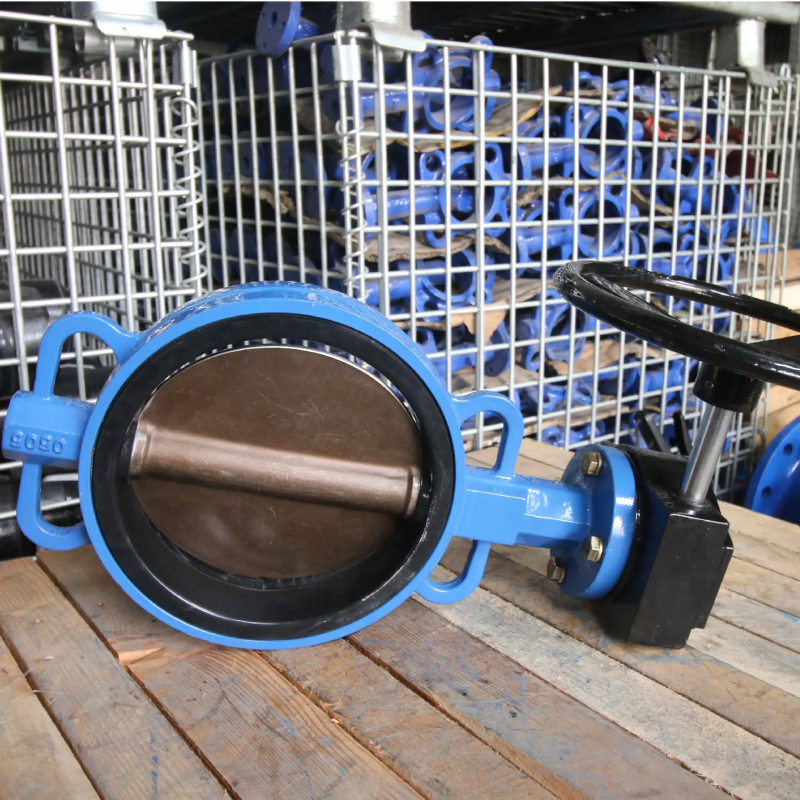
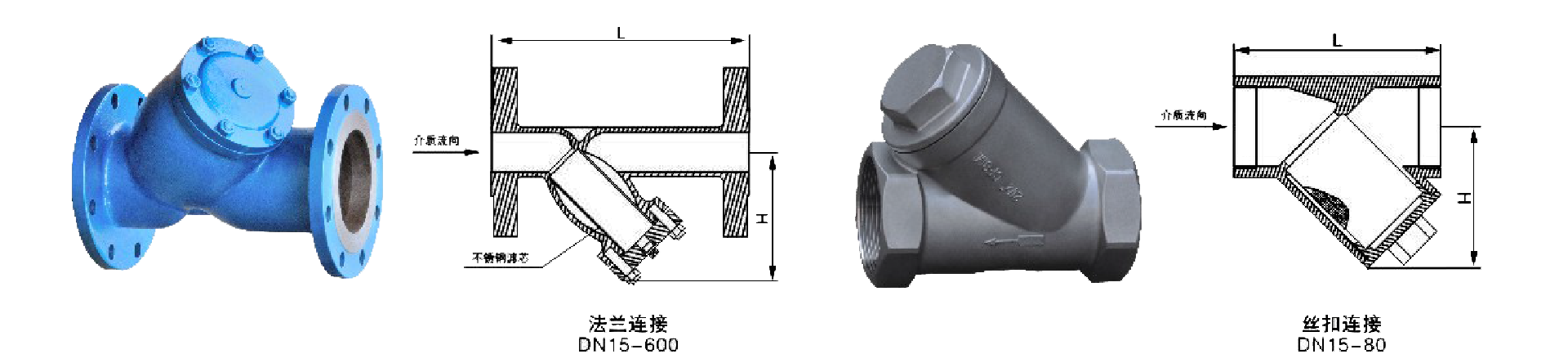
Introduction to the Slow Closing Check Valve In modern hydraulic systems, the Slow Closing Check Valve has emerged as a critical component for ensuring smooth operation and preventing damage from water hammer effects. Developed by Storaen (Cangzhou) International Trading Co. , this innovative valve combines advanced engineering with practical design to address the challenges of fluid control in industrial and commercial applications. Key Features of the Slow Closing Check Valve The Slow Closing Check Valve is designed with a novel structure that ensures optimal performance. Its primary features include: Excellent Sealing Effect: The valve minimizes leakage, ensuring efficient fluid flow and reducing maintenance costs. Low Resistance: Designed to maintain high flow capacity while minimizing pressure loss. Long Service Life: Constructed from durable materials, the valve withstands harsh operating conditions. Adjustable Speed Control: Users can fine-tune the valve's opening/closing speed to match site-specific requirements. Water Hammer Mitigation: The slow-closing muffler mechanism effectively reduces the impact of sudden pressure surges. These features make the Slow Closing Check Valve a reliable solution for industries reliant on precise hydraulic control. Advantages Over Traditional Check Valves Compared to conventional check valves, the Slow Closing Check Valve offers several distinct advantages: Enhanced Durability: The use of high-quality materials ensures longevity, even in high-pressure environments. Improved Safety: The water hammer reduction feature protects piping systems from sudden stress, preventing costly repairs. Customizable Performance: The adjustable speed control allows for tailored operation, optimizing system efficiency. Cost-Effective: Reduced maintenance and extended service life lower overall operational costs. These benefits position the Slow Closing Check Valve as a superior choice for applications requiring precision and reliability. Technical Specifications Parameter Specification Pressure Rating Up to 300 psi (depending on model) Flow Capacity High-flow design with minimal resistance Materials Stainless steel, cast iron, or custom alloys Adjustable Speed Control Yes (via built-in damping mechanism) Sealing Type Double-sealed design for leak-proof performance Operating Temperature Range -20°C to 120°C Compliance Standards ISO 5752, ASME B16.34 Application Scenarios The Slow Closing Check Valve is versatile and suitable for a wide range of applications, including: Industrial Piping Systems: Ensures smooth fluid flow in manufacturing and processing plants. Water Treatment Facilities: Prevents water hammer in municipal and industrial water systems. HVAC Systems: Regulates coolant flow in heating, ventilation, and air conditioning systems. Oil and Gas Industry: Provides reliable pressure control in pipelines and storage tanks. Power Generation: Protects turbines and pumps from sudden pressure fluctuations. Its adaptability makes it an essential component for industries prioritizing efficiency and safety. About Storaen (Cangzhou) International Trading Co. Storaen (Cangzhou) International Trading Co. is a leading provider of hydraulic and industrial components, specializing in innovative solutions for global markets. With a commitment to quality and customer satisfaction, the company has established itself as a trusted partner for businesses seeking reliable equipment. Their expertise in hydraulic check valve types and related technologies ensures that their products meet the highest standards of performance and durability. Why Choose the Slow Closing Check Valve? The Slow Closing Check Valve stands out due to its combination of advanced engineering and practical design. By addressing common issues like water hammer and pressure surges, it enhances the longevity of hydraulic systems. Additionally, its adjustable features allow for customization, ensuring optimal performance in diverse environments. For industries that demand precision and reliability, this valve is an ideal choice. Conclusion The Slow Closing Check Valve from Storaen (Cangzhou) International Trading Co. represents a significant advancement in hydraulic technology. With its innovative design, robust features, and wide range of applications, it is a valuable asset for any system requiring precise fluid control. By investing in this product, businesses can ensure enhanced efficiency, safety, and cost savings. References NIST.gov provides authoritative information on standards and measurements in fluid dynamics. According to the National Institute of Standards and Technology (NIST), "Precise measurements and standards are critical for the development of reliable hydraulic systems" ( NIST.gov ). This article references NIST's guidelines on fluid control and pressure management to ensure the accuracy of technical specifications.
-

High quality industrial productsagement

High quality industrial products
View Details -

Meet the diverse needs of customers

Meet the diverse needs of customers
View Details -

Strict quality control

Strict quality control
View Details -

Top raw materials

Top raw materials
View Details -

Trusted supplier

Trusted supplier
View Details
Our application


news and information
V Block--The Perfect Tool for Precision Machining
In the world of precision machining, having the right tools is essential for achieving accurate resu

v block
Understanding the V Block in Modern Technology In the fast-paced world of technology, the term V b
valve ng liquid transfer check
Liquid Transfer Check Valve Isang Mahalagang Komponent sa Fluid Handling Systems Sa mundo ng industr
 English